Phone/Fax: (506) 2787-0258
Playa Dominicalito, Costa Rica
Home > Dominical & South Pacific > ACTIVITIES
Dominical and its surrounding areas offer an amazing array of activities and adventures. Regardless of the activity, you are guaranteed an unforgettable experience in a spectacular setting. Our Resort Concierge can help you plan an individualized experience that fits your unique preferences.
Ballena National Marine Park – This park is 5,400 hectares of mostly ocean and is the home of the Pacific coast’s largest coral reef. Whale sightings are probable as humpback whales are common at Ballena Island between December and April and several types of sperm whales are seen near Tres Hermanas (three sisters) Islands. Olive Ridley and Hawksbill turtles nest on these beaches during the rainy season (May to November). Aside from the ranger station, which is in the small seaside community of Bahia just south of Uvita, this park is fairly underdeveloped.
Corcovado National Park – This park, comprising 54,540 hectares on land and 2,400 hectares of sea, is the site of stunning waterfalls and the country’s largest area of virgin forest. It is widely regarded as one of the world’s most biologically diverse regions and is home to at least 400 species of birds, 140 mammals, 116 amphibians and reptiles, 500 trees and 6,000 insects. The park’s six distinct ecosystems shelter scarlet macaws, jaguars, pumas, tapirs, poison-dart and golden frogs, the harpy eagle and other endangered species. As much of the wildlife is nocturnal, the experience is even more intense after dark.
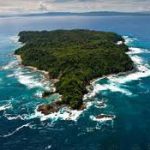
Cano Island Biological Reserve – Located about an hour’s boat ride from Drake, this uninhabited island is renowned as a diving spot. Trails on the island lead to a pre-Columbian cemetery and several of Costa Rica’s mysterious stone spheres. Mystery shrouds the spheres, which measure from one to two and a half meters in diameter and are found mainly in the Palmar region and on Cano Island. Some researchers believe the pre-Columbian ancestors of the Boruca Indians made the spheres to represent the earth and the cosmos, while others believe they were ancient navigational markers.
Manual Antonio National Park – Although this park is small in area (only 682.7 hectares), it is rich in inhabitants. Over 100 species of animals and nearly 200 species of birds live in the park. All three species of monkeys found in Costa Rica reside in the park – the white-throated capuchin monkey, the endangered squirrel monkey and white-faced monkey. Trails through the park are well groomed, however sneakers are recommended since paths can get muddy even in the dry season. In addition to monkeys, you can expect to see colorful birds, iguanas, sloths and other animals. Just off the beaches of Manual Antonio lies another world worth exploring. When the water is clear, snorkeling reveals bright, florescent-colored fish swimming among the corals. There are a wide array of tours and activities available in the Quepos/Manual Antonio area. Note: the park is closed on Mondays.
Chirripo National Park – San Gerardo de Rivas, near San Isidro, is near the entry of Chirripo National Park, which boasts the country’s highest peak (3,820 meters/12,530 feet). No technical climbing is required to hike Chirripo, but altitude and a rugged trail make for a strenuous trek. The hike up to Los Crestones base camp takes six to 12 hours, and about three to six hours are needed to hike back down. Most hikers allow two to three days to make the entire trip. Los Crestones base camp shelter is the only permitted lodging in the park (no camping allowed). Once at the shelter, day hikes to the peak, lakes and high-altitude meadowlands are available.
Wilson Botanical Gardens – Located near San Vito, these gardens cover 10 hectares and have a vast collection of bromeliads, orchids and more than 700 species of palms. Recognized as the most important tropical gardens in Central America, the gardens provide overnight lodging for a limited number of visitors and scientists. The town of San Vito (with population of approximately 40,000) was settled by Italian immigrants in 1950 and its Italian influence is still present.
Southern Pacific Beaches – Rugged, vegetation-covered mountains form the backdrop to Dominical Beach. Mainly a surfer’s beach, Dominical has gained popularity with swimmers due to the presence of lifeguards. The Dominical area, from Playa Guapil in the north to Punta Ventanas to the south, provides a stretch of countless unique beaches for you to explore. You can swim or wade in the surf, stroll on golden sands, kayak through caves, enjoy a picnic under the shade of coconut palms, or watch the pelicans and waterfowl that inhabit the shorelines. In addition to beaches near Dominical, Punta Uvita and Ballena National Park offer great places to swim.
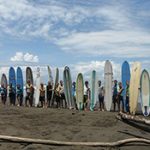
Surfing – Dominical is known as a surfer’s Mecca. Surfers enjoy good waves year-round. Areas further south near Golfo Dulce, Pavones and Matapalo, are excellent surfing locations as well. Pavones, near the Panama border, has one of the longest left breaking waves in the world. Several surf schools, such as Dominical Surf School and Green Iguana Surf Camp, provide lessons and equipment. Most experienced surfers bring their own equipment, although surfboard rentals are available in town for the individual that wants to try on their own. Don’t forget your rash guard, sunscreen and surfboard wax and be prepared to pay extra for shipping surfboards on airlines.
Sport Fishing – Costa Rica’s Pacific coast is world famous for its offshore and inshore sport fishing. Offshore fishing in the Dominical area is an excellent economic value and numerous outfitters offer well-equipped boats and experienced bilingual captains. Marlin, sailfish, tuna, wahoo and dorado are abundant and provide great entertainment to rookies and the experienced angler alike. Additionally, billfishing is very popular, especially from December to June, with world records broken nearly every year. The Dominical area also includes the second largest mangrove system on the Pacific coast of Central America, providing some excellent fly fishing. Inshore action includes roosterfish, snook, snapper and sea bass.
Kayaking/Boating – Ocean kayaking is popular along the southern Pacific coast where kayakers can travel through shoreline caves (depending on tidal conditions), some of which boast pre-Columbian inscriptions and are rumored to hold treasures of explorer Sir Francis Drake.
For the participant seeking slow-moving tranquility, other boating experiences are available. Take a ride on a two-story paddlewheel boat up the longest river in Costa Rica, or ride through the Rio Terraba mangroves to a beautiful island. Break up the trip by jumping onshore to enjoy a private picnic and hike along trails to admire flora and fauna.
Snorkeling/Diving – Pristine coral reefs, together with an abundance of spectacular tropical sea life, make for some of the best scuba diving and snorkeling in the world with water temperatures that are typically in the upper seventies to low eighties throughout the year. Twelve miles west of Drake Bay, Cano Island offers some of the most exciting diving and snorkeling spots within reach of the mainland. Porpoises, schools of rays and white-tip reef sharks are commonly seen on most dives.
Horseback Riding – One of the best ways to enjoy the natural beauty of Costa Rica is on horseback. Guided horseback riding tours may be scheduled from several locations. You can choose tours that take you along jungle trails and over river crossings to experience waterfalls, mineral pools and spectacular mountain views.
Canopy Tours – Adventurous participants may enter the forest canopy and see jungle life from a unique and different perspective. Many canopy or “tree top” tours exist throughout the country. Follow a professional canopy guide to a tree platform or along a suspended footbridge high above the floor of the forest. You can also zip line via a suspended cable from platform to platform – the adrenaline rush is an unforgettable experience.
Bird Watching – Few countries in the world offer as many different species of birds in such a small area as Costa Rica. For someone planning a bird watching trip to Costa Rica, the best way of seeing as many species as possible is to spend some time in each of the five major climate zones: the dry forests of the northwest, the wet forests of the southwest, the Caribbean lowlands, the middle elevation rainforests of the Caribbean slope and the highlands. Additionally, different types of habitat within each of these areas can be explored, such as mature forests, second growth, open areas, rivers, ponds and marshes, etc. Remember however, that although birds are abundant, it is not always easy to see them. The key is to be patient and enjoy all the natural beauty that you see.
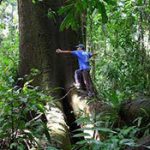
Hiking – There are an abundance of hiking opportunities in Costa Rica. Excursions are available that vary by difficulty level and the amount of time required.
Waterfalls – A choice of three spectacular waterfalls are located in the Dominical area (Nauyaca Waterfalls, Santo Cristo Waterfalls and La Casa de Piedra) that can be accessed by horseback or on foot to swim, float or snorkel in the white waters.
Bicycling – An adventurous alternative way to see the country, mountain biking has experienced a boom in popularity in recent years. Most tour companies offer biking trips as part of their regular packages because cyclists encounter a huge variety of breathtaking terrain – leisurely country paths, grueling mountain trails and open beaches. Excellent rental equipment is readily available.
If you’ve got an idea that might help us better serve you, we want to know.
If you prefer to speak with a Vacation Villa specialist call us now.
Phone: (506) 2787-0258
Messenger: tekoa@villasbytekoa.com
Skype: villasbytekoa